Henry C. Callaway
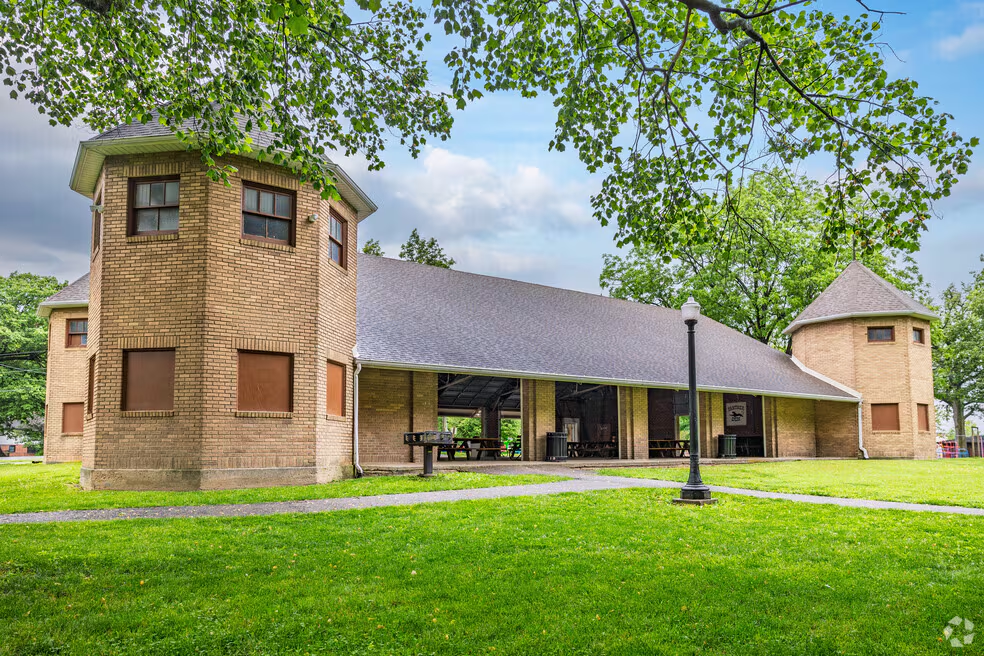
On the north side of Elwood, Indiana, generations of families have gathered beneath shade trees, attended festivals, watched baseball games, and enjoyed summer afternoons at Callawoy Park. For many residents, the name is simply part of the city’s geography, as familiar as its streets and neighborhoods.
Yet behind that name stands the story of Henry C. Callaway, a nineteenth-century businessman and banker whose life was closely intertwined with Elwood’s transformation from a small rural settlement into a thriving industrial city. Callaway’s contributions extended well beyond the land that became the city’s largest and oldest public park. He was associated with Elwood’s early mercantile trade, helped establish one of its first banking institutions, and witnessed some of the most remarkable decades in the community’s history. His life reflected an era when the determination of local merchants, financiers, and civic leaders could profoundly influence the future of a growing American town.
Early Life and Family Roots
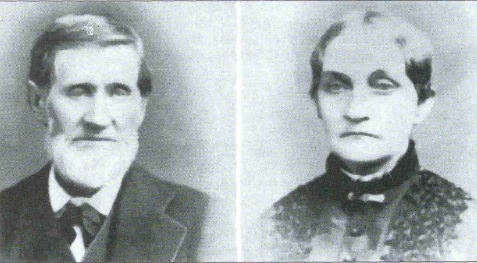
Henry C. Callaway was born in Indiana in August 1848, the son of Dr. Beniah T. Callaway and Mary Ann Wills Callaway. His father, born in Wayne County, Indiana, in 1824, was a physician who became an important figure in Elwood’s early business community. His mother, Mary Ann Wills, had married Beniah in Wayne County in October 1845.
Henry was the eldest of six children. His siblings included Mary, John W., Frank, Emma, and Robert Callaway. The Calaway family became established in Madison County during the period when the settlement that would become Elwood was beginning to develop. During his lifetime, the community grew from a small railroad settlement into one of the significant manufacturing centers of east-central Indiana.
Building a Business Career
The Callaway family’s role in Elwood’s commercial development began well before the discovery of natural gas transformed the region. During the 1870s, when Elwood remained a relatively modest commercial center, the town’s economy depended heavily on agriculture, lumber, small manufacturing operations, and the railroad lines that connected local producers with larger markets.
In this environment, merchants occupied particularly important positions. General stores supplied necessities, extended credit, and provided commercial relationships that helped sustain both families and local enterprises. The Callaway family’s business eventually expanded into banking, an industry that would define much of Henry’s professional career.
A Pioneer in Elwood Banking
In 1881, Henry C. Callaway and his father, Beniah T. Callaway, organized the Citizens’ Exchange Bank in Elwood. The institution was among the community’s earliest banking establishments and would become an important part of the city’s financial history. An Indiana business directory published for 1882–1883 identifies Beniah T. Callaway as president and Henry C. Callaway as cashier. It lists the bank’s capital at $25,000, a substantial financial commitment for a town still in the early stages of its development.
For a developing community, access to banking services was essential. Farmers needed credit, merchants needed capital, and aspiring business owners needed institutions capable of supporting their plans. The importance of those services would become even more apparent as Elwood entered an extraordinary period of industrial expansion. By the time natural gas was discovered in the surrounding region in 1886, Henry Callaway was already established in the local banking business.
During the ensuing Indiana Gas Boom, Elwood attracted industries that included glass manufacturing and tin plate production. New factories brought workers, housing construction, commercial activity, and increased demand for financial services.
In 1908, the Citizens’ Exchange Bank was incorporated under Indiana law and became the Citizens’ State Bank. By 1914 Henry C. Callaway was the bank’s president, with S. C. Spoor serving as vice president and Charles Osborn as cashier. More than three decades after helping establish the institution, Henry remained an influential figure in its leadership.
A Gift to Future Generations
While Henry Callaway’s banking career was an important part of his life, the contribution for which he is most widely remembered came during his later years. In 1917, Henry and his wife donated a 40 acre tract of land on the north side of Elwood to the city. The donation carried a specific condition: the property was to be used by the city as parkland.
The Callaways were not merely transferring real estate to municipal ownership; they were making an enduring provision for public recreation. The land was officially dedicated as Callaway Park on July 4, 1918. Its dedication on Independence Day gave the city a new public gathering place at a time when communities throughout America were increasingly recognizing the value of municipal parks and organized recreation. For Elwood, the gift represented an opportunity to preserve open space for generations who would never personally know the donors.
His Final Years
Henry C. Callaway died in Elwood on April 1, 1919. His death came less than a year after the formal dedication of the park that would preserve his name. Callaway had participated in more than four decades of commercial and banking activity in Elwood. He had helped establish a financial institution before the city’s great industrial expansion, continued his involvement through the boom years, and lived to see the public dedication of land intended for the lasting enjoyment.
The Park That Became Part of American History
Henry Callaway could not have known, that decades after his death, the park bearing his name would become the setting for one of the most remarkable events in Elwood’s history. On August 17, 1940, Wendell L. Willkie returned to his hometown to formally accept the Republican nomination for president of the United States. The historic gathering took place at Callaway Park, drawing an enormous crowd of supporters, visitors, journalists, and political observers to Elwood.
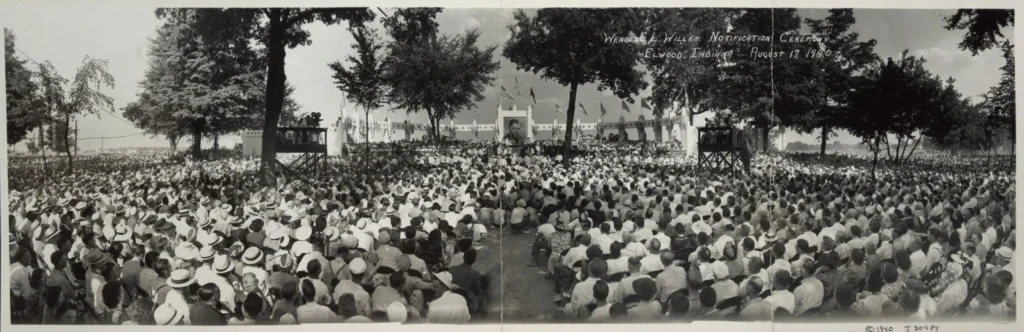
For a day, the Indiana manufacturing city stood at the center of national political attention. The park that Henry and his wife had given to their community had become a stage for an event remembered far beyond Madison County.
Throughout the decades that followed, Callaway Park remained a center of community life.
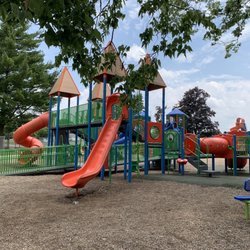
Recreational fields, picnic grounds, public gatherings, youth athletics, and annual celebrations continued to make the property an essential part of Elwood’s identity. Among its best-known traditions is the Elwood Glass Festival, an event that celebrates the community and recalls an industry central to its development.
A Legacy Measured in Generations
More than a century after his death, his name remains visible not on a surviving bank ledger or nineteenth-century business directory, but on a public park that continues to be used by the people of Elwood. Children playing ball, families gathering for celebrations, and neighbors meeting beneath the trees continue a tradition that began with the Callaways’ gift in 1917.